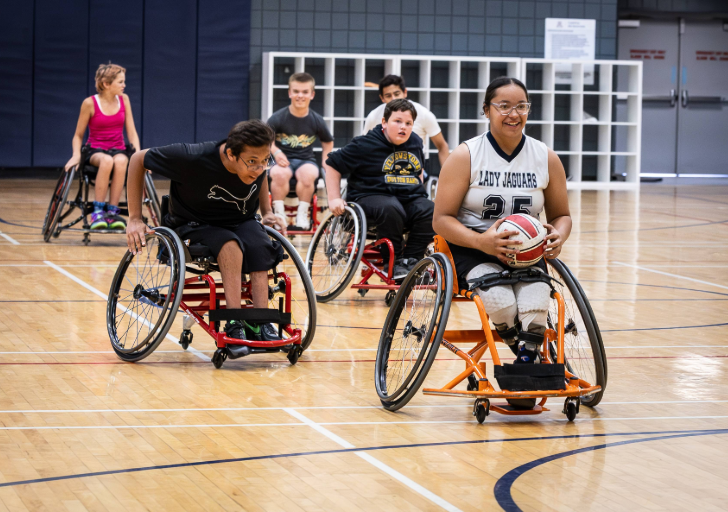
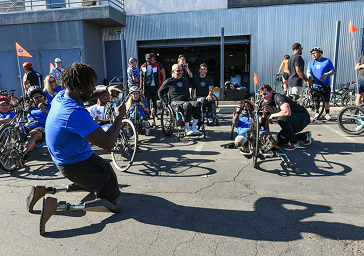
A split second can mean the difference between reaching the podium or going home empty handed. That reality creates intense pressure for athletes to train harder, push longer, and go beyond physical and mental limits.
With this pressure comes risk: 35% of elite athletes report experiencing a mental health disorder, with stress, eating disorders, burnout, depression, and anxiety the most common. Yet only 4% of athletes are clinically diagnosed and treated for depression, and just 9% for anxiety (National Institute of Health).
So, what can be done? Research points to a surprisingly powerful answer: movement. Here are three ways exercise supports mental health and helps athletes thrive.

Daily movement, even light to moderate activity, has been proven to improve memory, mental clarity, and emotional balance. This happens through a process called hippocampal neurogenesis—the generation of new neurons in the hippocampus, the part of the brain responsible for memory and emotional regulation.
By increasing blood supply, oxygen, and nutrients to the brain, movement builds healthier neurons and strengthens the hippocampal region (NLM). Over time, this means greater capacity to manage stress, regulate emotions, and stay mentally sharp.

Not all exercise provides the same benefits for the brain. Psychiatrist Madhukar Trivedi has shown that three or more weekly sessions of moderate aerobic or resistance training—lasting 45 to 60 minutes—yield the best results for emotional regulation and memory (Psychology Today).
In contrast, extreme intensity training can actually impair cognitive function. When the body works at its limits, oxygen is rapidly metabolized, overwhelming antioxidant defenses and creating stress-inducing byproducts (NCBI).
For both elite and amateur athletes, the takeaway is clear: don’t only push the body to its limit. Incorporating light to moderate conditioning sessions into training plans ensures athletes reap the full mental health benefits of movement.

Athletes often set high expectations for themselves, carrying pressure not only to succeed for personal goals but also for parents, coaches, and teammates. That pressure can quickly take a toll.
“Athletes set high expectations for themselves and often feel there is a greater pressure to succeed so they don’t let people down. They aren’t just trying to succeed for themselves but for their parents, coaches, and teammates. It is crucial for athletes to learn strategies for approaching competition with a healthier mindset.”
– Kristin Felgenauer, Henry Ford Health
Felgenauer, a behavioral health therapist and clinical social worker at Henry Ford Health, recommends three practical practices:
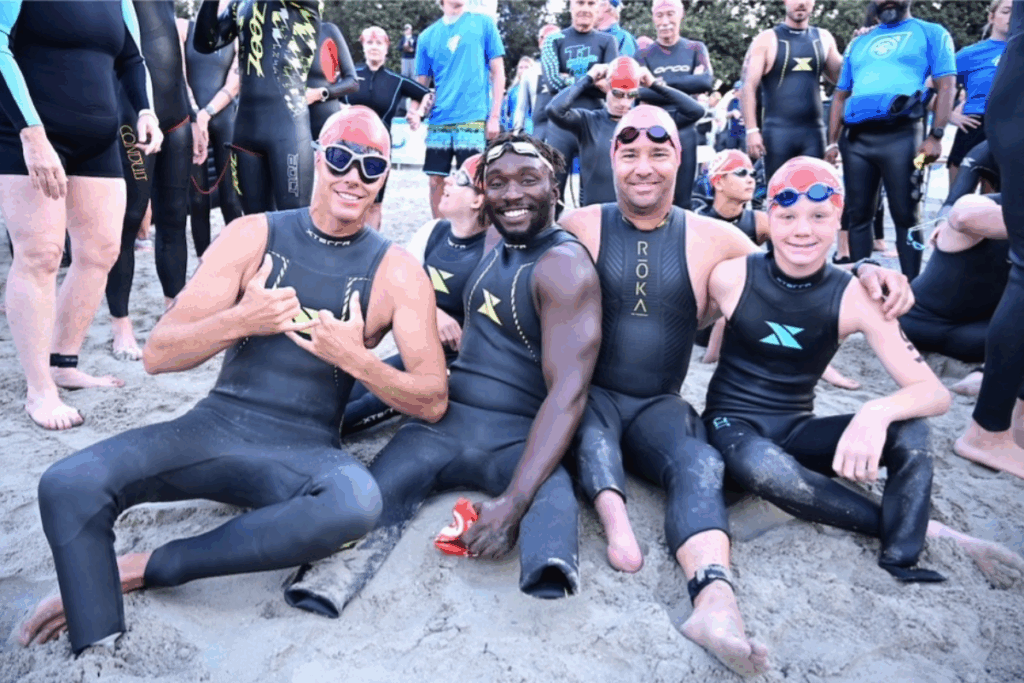
At the Challenged Athletes Foundation, we believe in a holistic approach—supporting the physical, emotional, and mental well-being of every athlete. Helping athletes get moving and stay moving is the core of our mission, because every stride, swim, push, or ride strengthens not only the body but also the mind.