Baseball is often called America’s pastime, but what happens when the game is reimagined for athletes with visual impairments? The answer is beep baseball—a fast-moving, sound-driven sport where athletes track the ball and bases by ear instead of sight. It’s competitive, community-building, and proof that with the right equipment, everyone can play ball.
Beep baseball began in the 1960s when innovators started experimenting with sound-emitting balls to make the game more accessible. By 1976, the National Beep Baseball Association (NBBA) was formed, and the sport quickly spread across the United States and beyond. Today, beep baseball features leagues, tournaments, and a World Series, drawing athletes who thrive on teamwork, strategy, and grit.
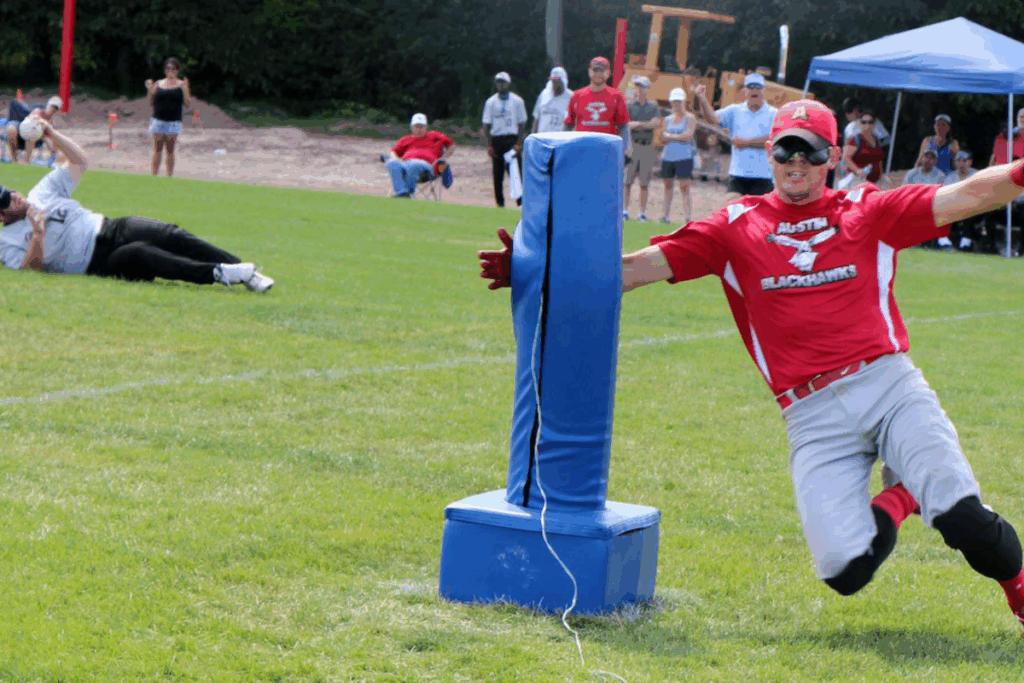
The game follows the general framework of baseball but with key adaptations:
Teams: Six fielders, plus pitcher and catcher.
Pitcher & Catcher: Both are sighted and on the batting team, ensuring the batter has the best chance to make contact.
The Ball: Emits a steady beep, allowing batters and fielders to track it by sound.
Bases: Only first and third are used, and after contact, one base begins buzzing to guide the runner.
Blindfolds: All fielders and batters wear blindfolds to equalize differences in visual acuity.
Scoring differs from traditional baseball. Runners earn a run by reaching the buzzing base before the fielders control the beeping ball. Outs occur when fielders secure the ball before the runner arrives.
Beep baseball exists because of specialized adaptive equipment designed to replace sight with sound.
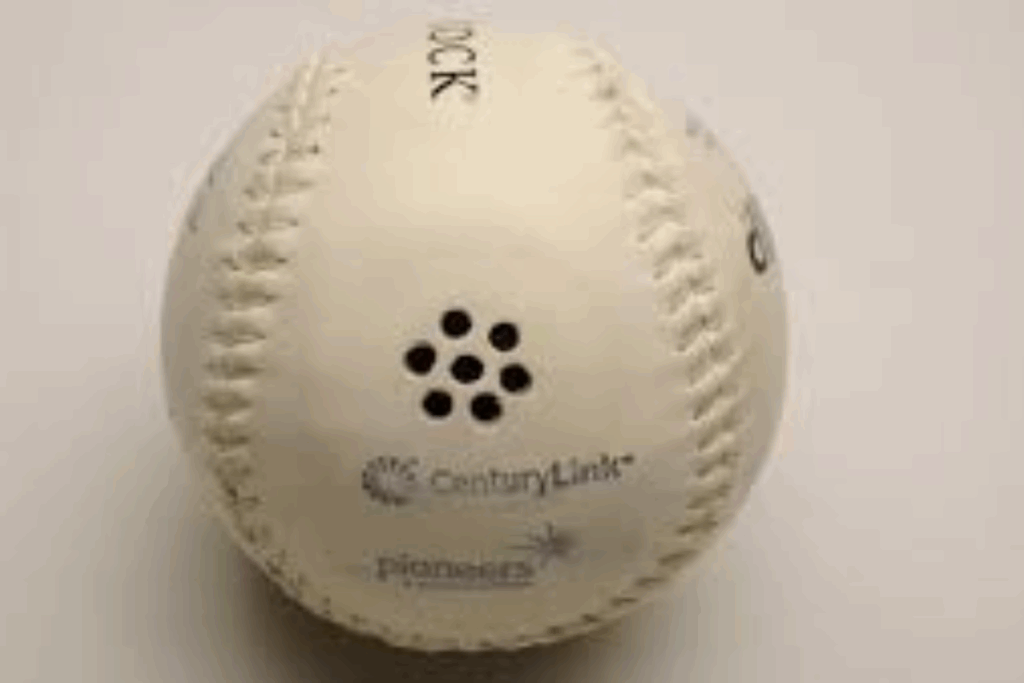
These oversized, lightweight balls house a beeping mechanism that emits a steady signal while in play. The sound guides batters making contact and fielders chasing down the ball. (Source: National Baseball Hall of Fame)
Once a ball is hit, one of two large foam bases (at first or third) emits a loud buzz, directing the batter-runner to safety. Bases are tall and padded for both audibility and impact absorption. (Source: Sports Illustrated Kids)
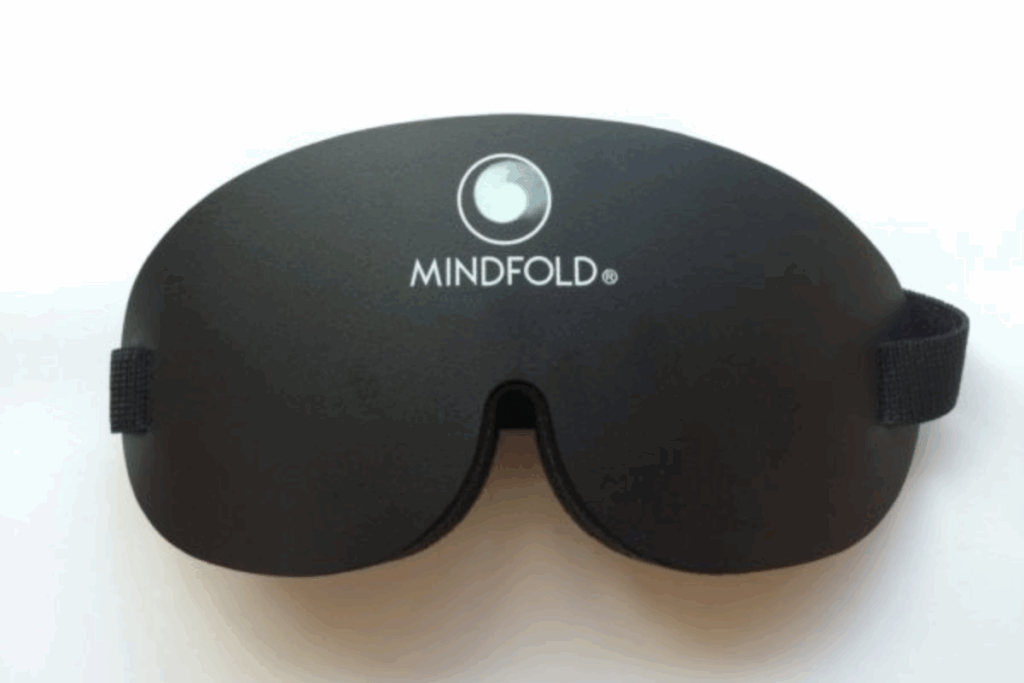
To ensure fairness, all athletes—regardless of their degree of visual impairment—wear blindfolds. In some cases, eye-patches and tape may be added beneath the blindfold for additional fairness. Pitchers and catchers are the only sighted players on the field. (Source: National Beep Baseball Association)
These innovations are simple but powerful—turning sound into the universal language of the game.
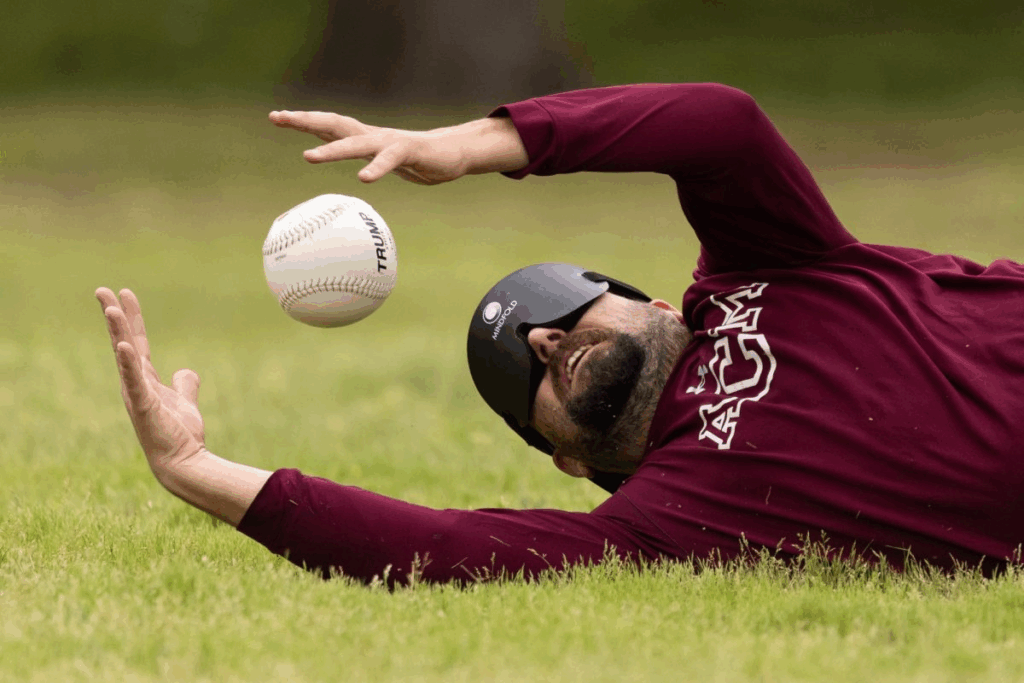
What started as a grassroots effort has grown into an international community. The NBBA oversees leagues across the U.S. and hosts the annual Beep Baseball World Series, where teams from around the globe compete.
For many athletes, the sport offers more than just competition—it’s about belonging. From young players new to adaptive sports to seasoned competitors chasing a championship, beep baseball brings together people who share resilience, teamwork, and love for the game.
Texas A&M hosts a vibrant beep baseball community through the BCS Outlaws, a team in the Bryan-College Station area made up of students and local athletes with visual impairments. Players are introduced to the sport through local adaptive athletics, and the Outlaws compete regionally with teams from Austin, Houston, Tyler, and beyond.
The team practices regular drills using the beeping baseball, buzzing bases, blindfolds, and uses spotters to support fielders. New players are welcomed and can join for practices or scrimmages—even if it’s their first time. The Outlaws provide a real example of how adaptive sport builds both athleticism and community.
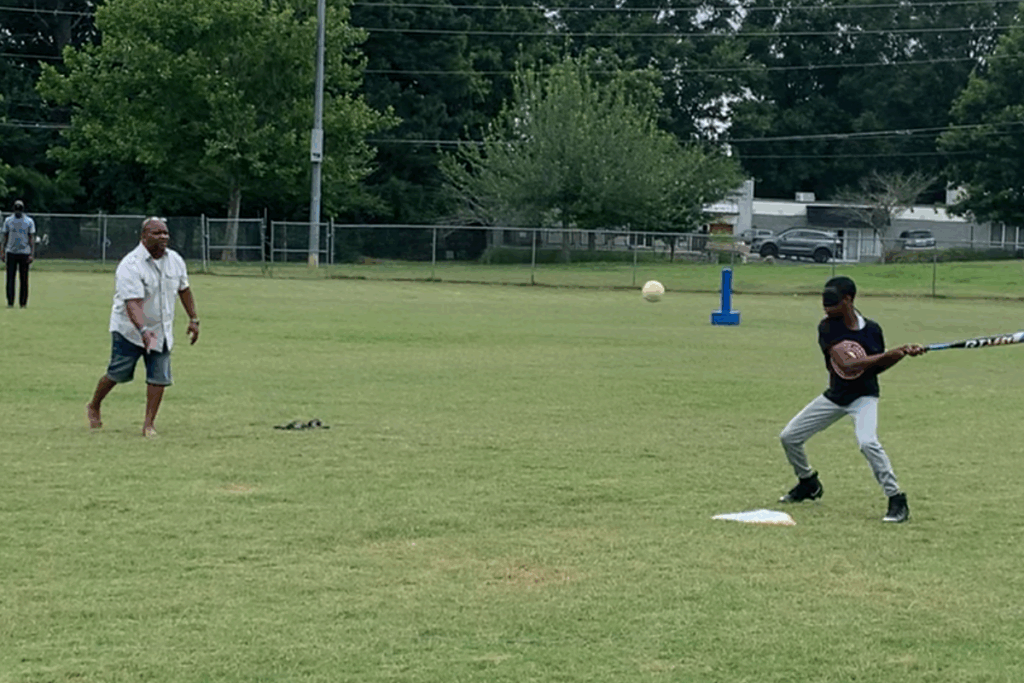
Beep baseball is more than just an adaptation—it’s a demonstration of inclusion at its best. The sport breaks barriers by showing that when you design with accessibility in mind, athletes can showcase their full potential.
CAF supports this vision by helping athletes access adaptive equipment and opportunities to join inclusive communities like beep baseball.
Athletes: Interested in playing? Visit the National Beep Baseball Association to find local leagues and learn more about the World Series.
Supporters: Donate to CAF to help provide athletes with adaptive equipment and travel grants so they can experience the game.
Volunteers: Beep baseball relies on sighted volunteers for roles like pitchers, catchers, and field assistants—there’s always a way to get involved.
Beep baseball proves that sound can level the playing field. With a beeping ball, buzzing bases, and the energy of a team, athletes with visual impairments are rewriting what it means to play America’s pastime.
From local leagues to the World Series, beep baseball gives athletes not just a game, but a community. Let’s keep growing the sport—one beep, one buzz, and one base at a time.
This equipment overview was adapted from resources by the National Baseball Hall of Fame, Sports Illustrated Kids, and the National Beep Baseball Association. It is intended for educational purposes only and does not reflect an endorsement of specific products or companies by CAF.