When five athletes gathered at the Idaho Outdoor Fieldhouse on a crisp November morning, they were about to embark on more than just a series of training sessions. They were stepping into a world where speed, determination, and community converge—a world where racing wheelchairs become vehicles of empowerment and personal transformation.
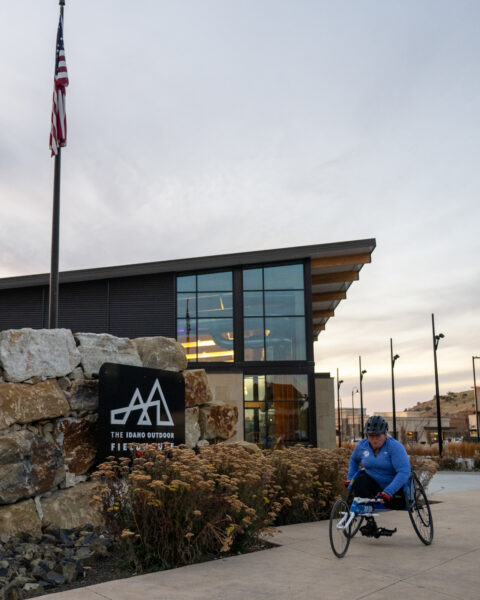
CAF-Idaho’s three-part wheelchair racing clinic, held on November 3, 10, and 17, wasn’t simply about learning to push a racing chair faster. It was about discovering what’s possible when expert coaching, specialized equipment, and unwavering support come together to help athletes with physical disabilities achieve their goals.
The clinic’s carefully structured approach reflected a deep understanding that successful wheelchair racing requires much more than athletic ability. From the very first session, participants were immersed in the technical and practical aspects of the sport that separate casual wheeling from competitive racing.
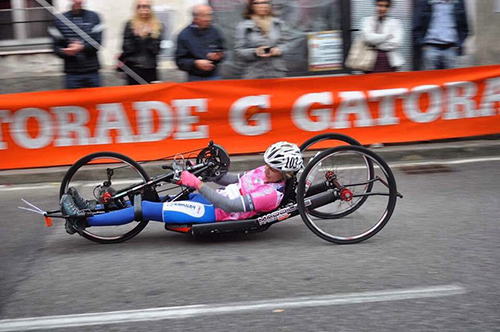
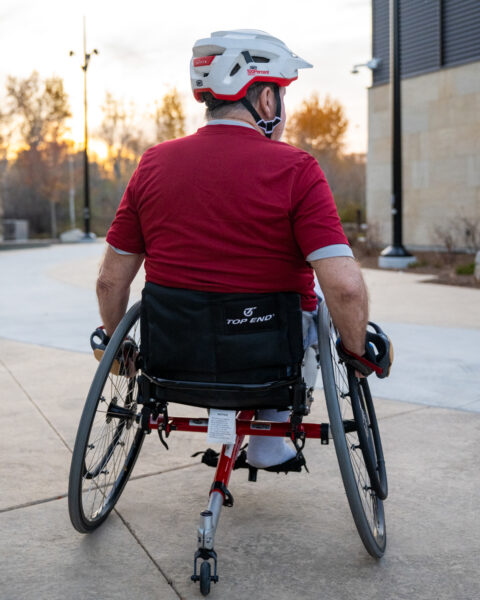
Race chair fit emerged as the foundation of everything else. Unlike everyday wheelchairs, racing chairs demand precise positioning—the angle of the seat, the placement of the wheels, the positioning of the athlete’s body all work in concert to maximize power transfer and minimize resistance. Coaches Josh Sweeney and Jake Simmons brought their extensive experience to bear, working one-on-one with each athlete to ensure their racing chair setup would allow them to perform at their best.
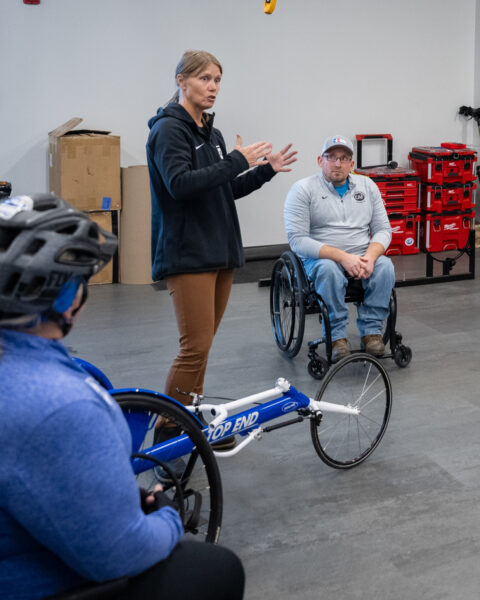
The athletes learned that getting the right fit in a racing wheelchair isn’t just about comfort. It’s about efficiency, power, and preventing injury. When an athlete is properly positioned in their racing chair, every push translates into forward motion.
With equipment properly fitted, the clinic shifted focus to technique—the intricate dance of hands, arms, and core strength that propels a racing wheelchair forward. The athletes learned the proper push-and-glide rhythm, discovering how to maximize each stroke while conserving energy for the demands of competition.
The coaches introduced structured workout protocols that would serve the athletes well beyond the clinic sessions. Participants learned interval training techniques, understanding how to build both speed and endurance through calculated bursts of effort followed by controlled recovery periods. They practiced starts, navigating turns, and maintaining form under fatigue—all crucial skills for race day success.
Between sessions, athletes weren’t left to their own devices. The coaching team provided a comprehensive seven-week at-home training plan, giving each participant a clear roadmap for building their fitness and skills leading up to the Treasure Valley YMCA Christmas Run on December 20. This thoughtful programming ensured that the clinic’s impact would extend far beyond the three sessions at the Fieldhouse.
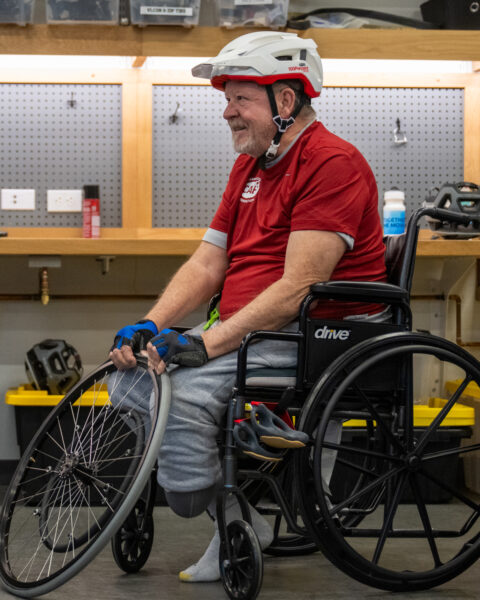
One of the clinic’s most valuable components was the emphasis on equipment maintenance. Racing wheelchairs represent significant investments and require regular care to perform optimally. The athletes learned hands-on skills: how to check tire pressure, identify wear patterns on wheels, adjust camber, and perform basic repairs.
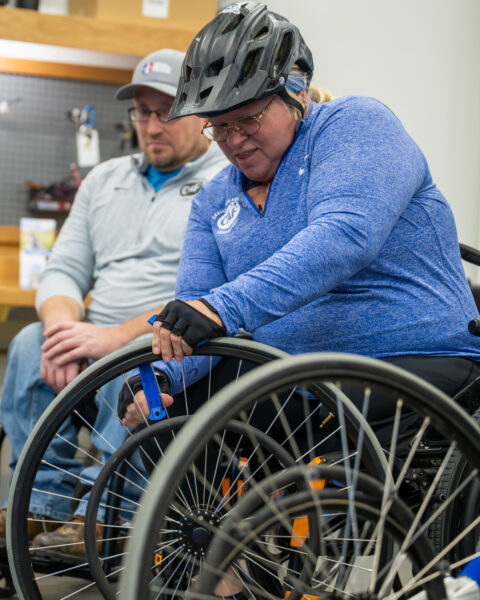
This knowledge transformation was profound. Athletes who might have previously felt dependent on others for equipment maintenance now possess the skills to keep their racing chairs in peak condition. This independence extended beyond the practical—it represented a deeper empowerment, a sense of complete ownership over their athletic journey.
Perhaps the clinic’s greatest gift wasn’t found in any single skill or technique, but in the connections forged between participants. The five athletes came from different backgrounds and experiences, but they shared common ground in their determination to excel in wheelchair racing. Throughout the three sessions, they pushed each other, celebrated victories together, and built relationships grounded in mutual respect and understanding.
For many athletes with physical disabilities, finding peers who share their sporting passions can be challenging. This clinic created that space—a community where racing wheelchairs were the norm, where everyone understood the unique challenges and triumphs of the sport, and where encouragement flowed freely from coaches and fellow athletes alike.
The energy at each session was electric. Athletes arrived eager to learn, stayed late to practice, and left already anticipating the next gathering. The Idaho Outdoor Fieldhouse, with its open space and supportive atmosphere, became more than a training facility—it became a home base for this growing wheelchair racing community.
Coaches Josh Sweeney and Jake Simmons brought a wealth of experience and genuine passion to their instruction. Their approach combined technical expertise with an understanding of the unique challenges faced by athletes with physical disabilities. Rather than applying a one-size-fits-all coaching method, they tailored their feedback to each individual, recognizing that every athlete’s body, abilities, and goals were different.
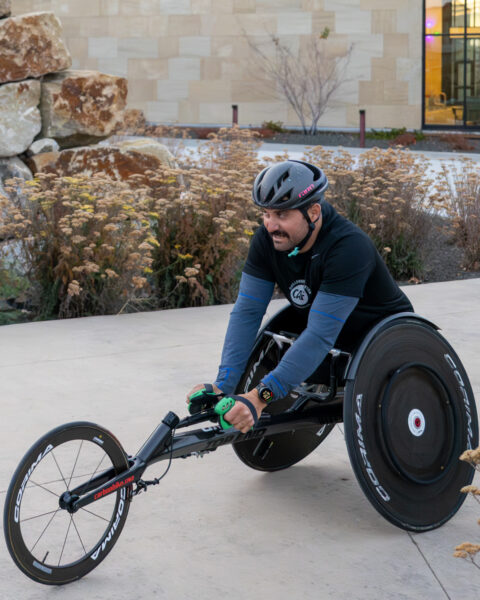
The coaching extended beyond physical technique. Josh and Jake emphasized mental preparation, helping athletes develop the confidence needed to compete. They shared race-day strategies, taught participants how to handle pre-race nerves, and offered insights into the competitive wheelchair racing community that awaited these emerging athletes.
On-site feedback proved invaluable. As athletes practiced their techniques, the coaches observed with trained eyes, offering immediate corrections and encouragement. This real-time coaching allowed participants to refine their form quickly, building good habits from the start rather than having to unlearn problematic techniques later.
Every training session had a clear purpose: preparing these athletes to compete in the Treasure Valley YMCA 2-mile Christmas Run on December 20. This tangible goal gave structure and motivation to the clinic, transforming abstract skill-building into concrete preparation for competition.
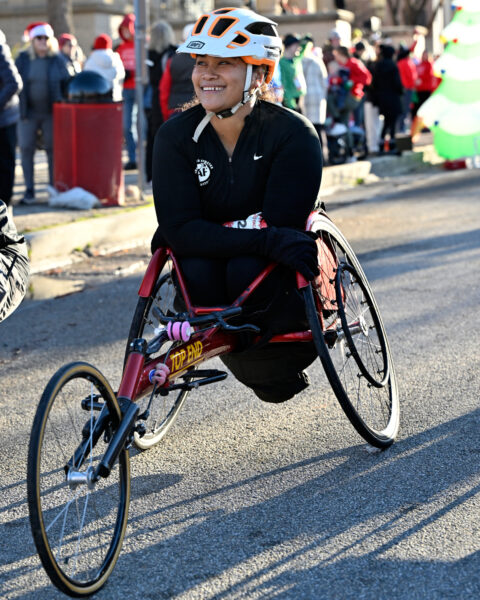
The race represented different things to each participant. For some, it was their first racing event—a chance to test newly acquired skills in a supportive environment. For others, it was an opportunity to improve on previous performances, to push harder and go faster than before. Regardless of individual goals, the upcoming race provided a shared focal point that united the group and drove their dedication to training.
The partnership with Treasure Valley YMCA exemplified the kind of community collaboration that makes adaptive sports accessible. By ensuring the Christmas Run welcomed wheelchair racers with proper accommodations and support, the YMCA demonstrated a commitment to true inclusion—not just allowing participation, but actively creating an environment where athletes with physical disabilities could compete on equal footing.
Wheelchair racing clinics serve a vital role in the adaptive sports ecosystem. For many people with physical disabilities, discovering adaptive sports happens by chance rather than through clear pathways. These clinics create intentional entry points, inviting athletes to try a sport they might never have considered otherwise.
The physical benefits are substantial—improved cardiovascular fitness, increased upper body strength, better endurance. But the impact extends far beyond the physical. Athletes gain confidence that spills over into other areas of life. They discover new capabilities within themselves. They connect with a community that understands and supports their journey. They find joy in speed, in competition, in the simple pleasure of pushing their limits and discovering they’re stronger than they knew.
The clinic also challenged perceptions—both the athletes’ own perceptions of what they could achieve and the broader community’s understanding of adaptive sports. Every time someone sees a racing wheelchair in action, every time an athlete with a physical disability crosses a finish line, it expands possibilities and reshapes assumptions about what’s possible.
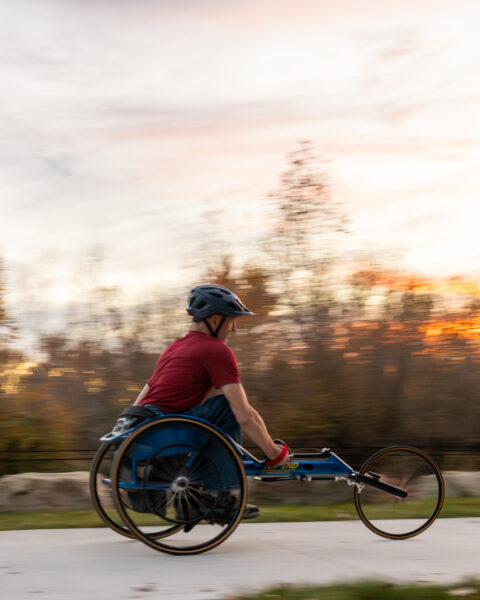
The three clinic sessions at the Idaho Outdoor Fieldhouse were just the beginning. As the athletes followed their seven-week training plans, they carried with them more than workout schedules—they carried the knowledge, skills, confidence, and community connections that would sustain them through challenges and propel them toward their goals.
The coaching relationships established during the clinic didn’t end when the final session concluded. Josh and Jake remained available for questions, continued to provide encouragement, and looked forward to cheering their athletes on at the Christmas Run. This ongoing support reinforced one of the clinic’s core messages: in adaptive sports, you’re never alone in your journey.
For the five participants, December 20 loomed as both a goal and a new beginning. The race would test their training and showcase their progress, but it would also open doors to future competitions, deeper involvement in wheelchair racing, and continued personal growth through sport.
Interested in adaptive sports or wheelchair racing? CAF-Idaho offers clinics and programs throughout the year for athletes with physical disabilities. Whether you’re new to adaptive sports or looking to enhance your competitive skills, there’s a place for you in the CAF community.