3 Ways Movement Strengthens Athlete Mental Health

CAF Staff

A split second can mean the difference between reaching the podium or going home empty handed. That reality creates intense pressure for athletes to train harder, push longer, and go beyond physical and mental limits.

With this pressure comes risk: 35% of elite athletes report experiencing a mental health disorder, with stress, eating disorders, burnout, depression, and anxiety the most common. Yet only 4% of athletes are clinically diagnosed and treated for depression, and just 9% for anxiety (National Institute of Health).

So, what can be done? Research points to a surprisingly powerful answer: movement. Here are three ways exercise supports mental health and helps athletes thrive.
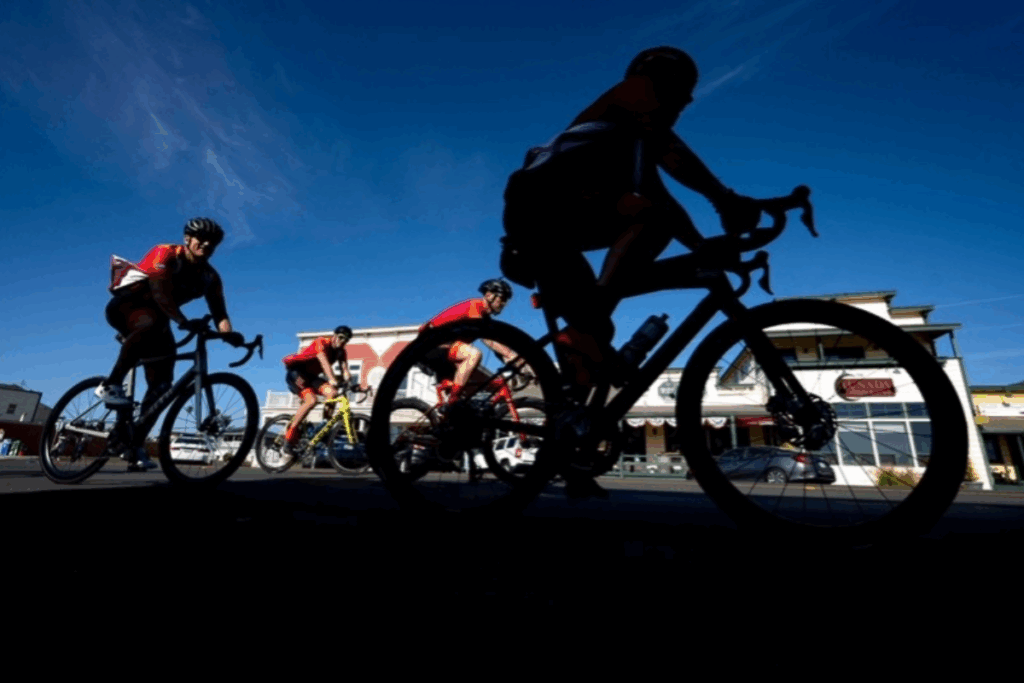
A group of cyclists ride together on a sunny street, silhouetted against a clear blue sky.

  1. Movement Improves Memory and Emotional Regulation

Daily movement, even light to moderate activity, has been proven to improve memory, mental clarity, and emotional balance. This happens through a process called hippocampal neurogenesis—the generation of new neurons in the hippocampus, the part of the brain responsible for memory and emotional regulation.

By increasing blood supply, oxygen, and nutrients to the brain, movement builds healthier neurons and strengthens the hippocampal region (NLM). Over time, this means greater capacity to manage stress, regulate emotions, and stay mentally sharp.
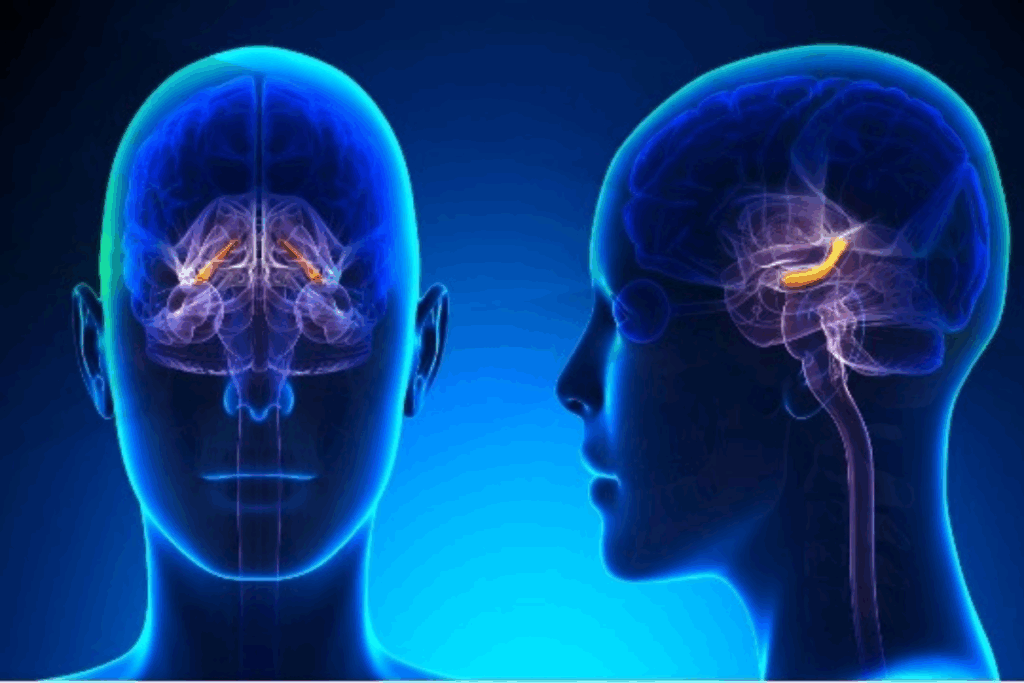
A digital medical illustration of two human heads shows the hippocampus highlighted in bright orange, emphasizing the role of the brain in mental health.

  1. Moderate Training Boosts Mental Health, Extremes Can Backfire

Not all exercise provides the same benefits for the brain. Psychiatrist Madhukar Trivedi has shown that three or more weekly sessions of moderate aerobic or resistance training—lasting 45 to 60 minutes—yield the best results for emotional regulation and memory (Psychology Today).

In contrast, extreme intensity training can actually impair cognitive function. When the body works at its limits, oxygen is rapidly metabolized, overwhelming antioxidant defenses and creating stress-inducing byproducts (NCBI).

For both elite and amateur athletes, the takeaway is clear: don’t only push the body to its limit. Incorporating light to moderate conditioning sessions into training plans ensures athletes reap the full mental health benefits of movement.
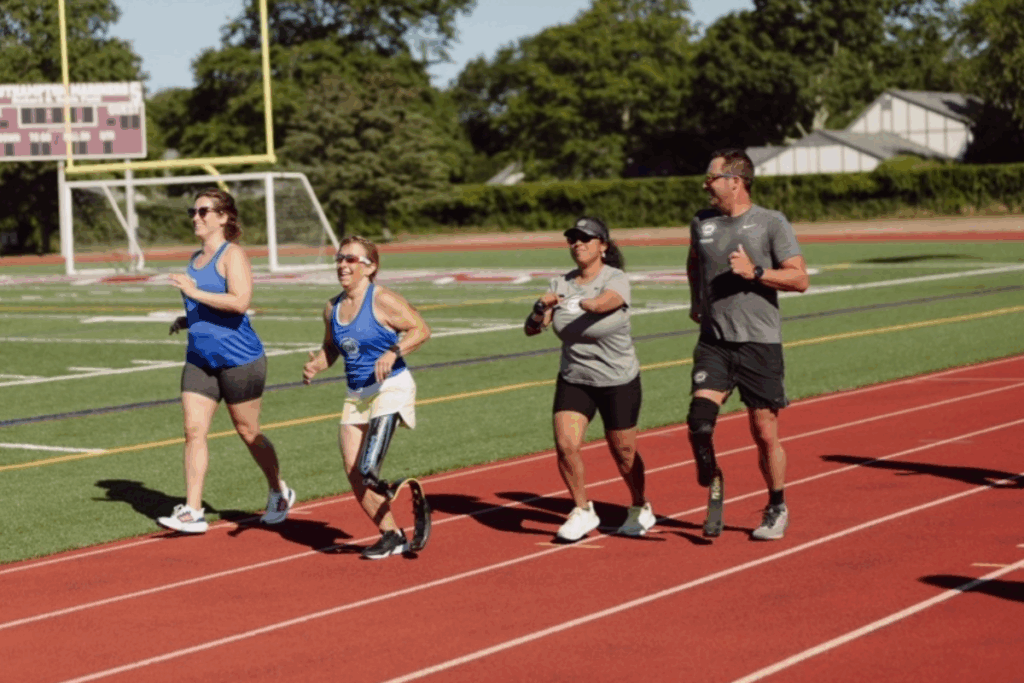
Four athletes run together on a track, two with running blades and two without, smiling and enjoying the workout.

  1. Strategies for Protecting Mental Health in Sport

Athletes often set high expectations for themselves, carrying pressure not only to succeed for personal goals but also for parents, coaches, and teammates. That pressure can quickly take a toll.

“Athletes set high expectations for themselves and often feel there is a greater pressure to succeed so they don’t let people down. They aren’t just trying to succeed for themselves but for their parents, coaches, and teammates. It is crucial for athletes to learn strategies for approaching competition with a healthier mindset.”
– Kristin Felgenauer, Henry Ford Health

Felgenauer, a behavioral health therapist and clinical social worker at Henry Ford Health, recommends three practical practices:
  • Focus on what your body needs. Prioritize recovery: sleep, nutrition, stretching, and injury prevention alongside training.
  • Talk through your stressors. Share frustrations with friends, family, teammates, or professionals instead of holding them in.
  • Remember why you started. Reconnect with the joy and passion of your sport to prevent burnout and keep perspective.

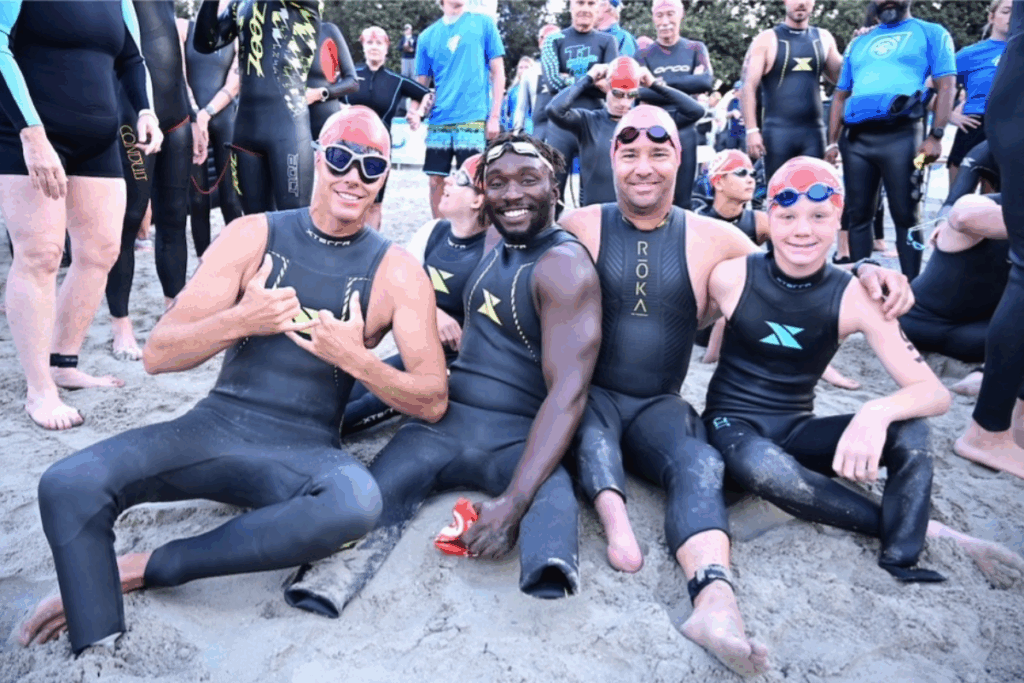
Athletes in wetsuits and swim caps sit on the sand before a triathlon swim start, smiling and posing for a group photo. Several athletes have limb differences or prosthetics.

Supporting Athletes Beyond Training

At the Challenged Athletes Foundation, we believe in a holistic approach—supporting the physical, emotional, and mental well-being of every athlete. Helping athletes get moving and stay moving is the core of our mission, because every stride, swim, push, or ride strengthens not only the body but also the mind.
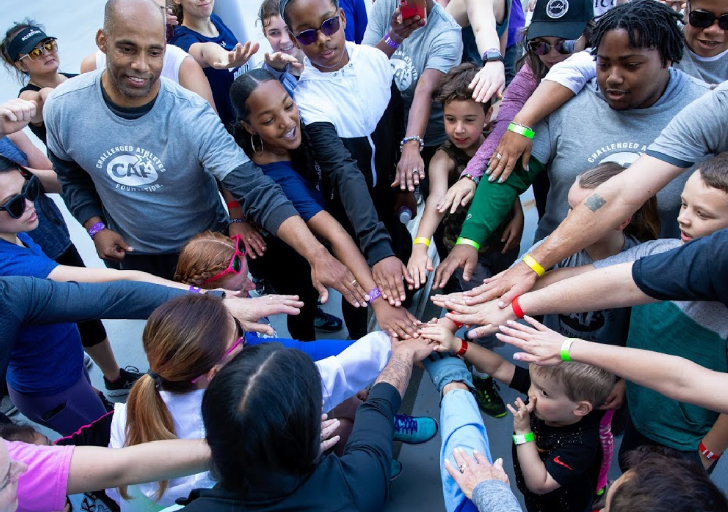
 

Support athletes on their full journey—physical, emotional, and mental.

Donate Today

Stay connected.
Stay engaged.

Sign up for stories of resilience, event invites, and ways to make a difference delivered with heart, straight to your inbox.

Contact Details
By clicking Sign Up you're confirming that you agree with our Terms and Conditions

Successfully signed up.

Thank you for subscribing! Check your inbox regularly for updates
from the CAF team.

Search
New to Adaptive Sports?
Grants

Apply for grants for adaptive sports equipment, prosthetics, coaching, and more.

Programs

Find adaptive experiences and events for your sport near you.

Find adaptive experiences and events for your sport near you.

Learn about outreach, awareness, and education programs for schools.

Join programs in our key regions.

 
Adaptive Sports Resources

Adaptive Sports Organizations listed by state and country.


Browse our resources by sport to find the right equipment, trainings, and organizations for you.

Donate

Make a 100% tax deductible donation with one click.

Donate every month. Just $10 makes a
difference.

Find another way to give that works for you. 

 
Partner

Get in front of an engaged and passionate audience and support our mission while advancing your goals.


Create an impact by sponsoring life-changing events.

Support your corporate giving initiatives with 100% tax deductible donations.

 
Support

Create an event you’re passionate about in a few easy steps.

Contribute to or take part in an existing event.

Learn how to get your school involved in a great cause and access tools for success.

Explore digital or in-person volunteer opportunities at a CAF event near you.

Adaptive Sports Events

Join inclusive adaptive sports events and experiences open to everyone.

Events Calendar

Discover upcoming events in your area to fundraise, participate, or volunteer.

San Diego Triathlon Challenge Weekend

Join us for the San Diego Triathlon Challenge (SDTC) fueled by Toyota on October 25, 2026
NorCal

Explore regional community events, clinics, and donation options in the greater Bay Area.

SoCal

Explore regional events, grants, and donation options in San Diego, Orange County, and LA County.

Idaho

Explore community events, clinics, grants, and more in the state of Idaho.

Northeast

Explore local community events, clinics, and donation options in the Northeast region.

Cycling Club

Ride with us. No matter where you are, you’re part of the CAF cycling community.

Blog

Find something that moves you. Athlete stories, event coverage, and more.

Media + Press
Image and Video Gallery
Adaptive Sports Resources

Explore our resource library to access information on your adaptive sport.

How-to Videos

Explore our video library to get digital coaching, equipment guides, and more.

Fundraising Toolkit

Access the tools you need to best support your fundraising efforts.

Donation Form