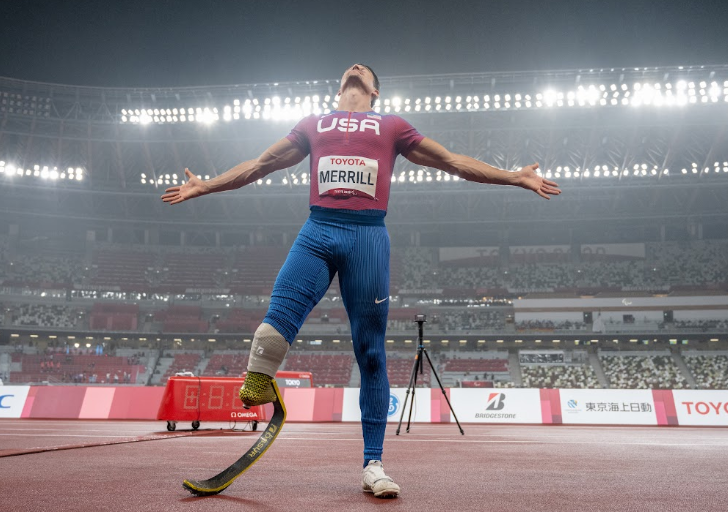
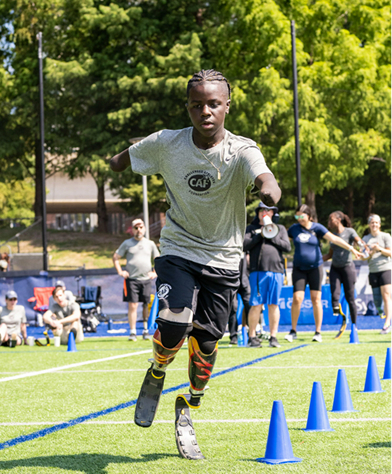
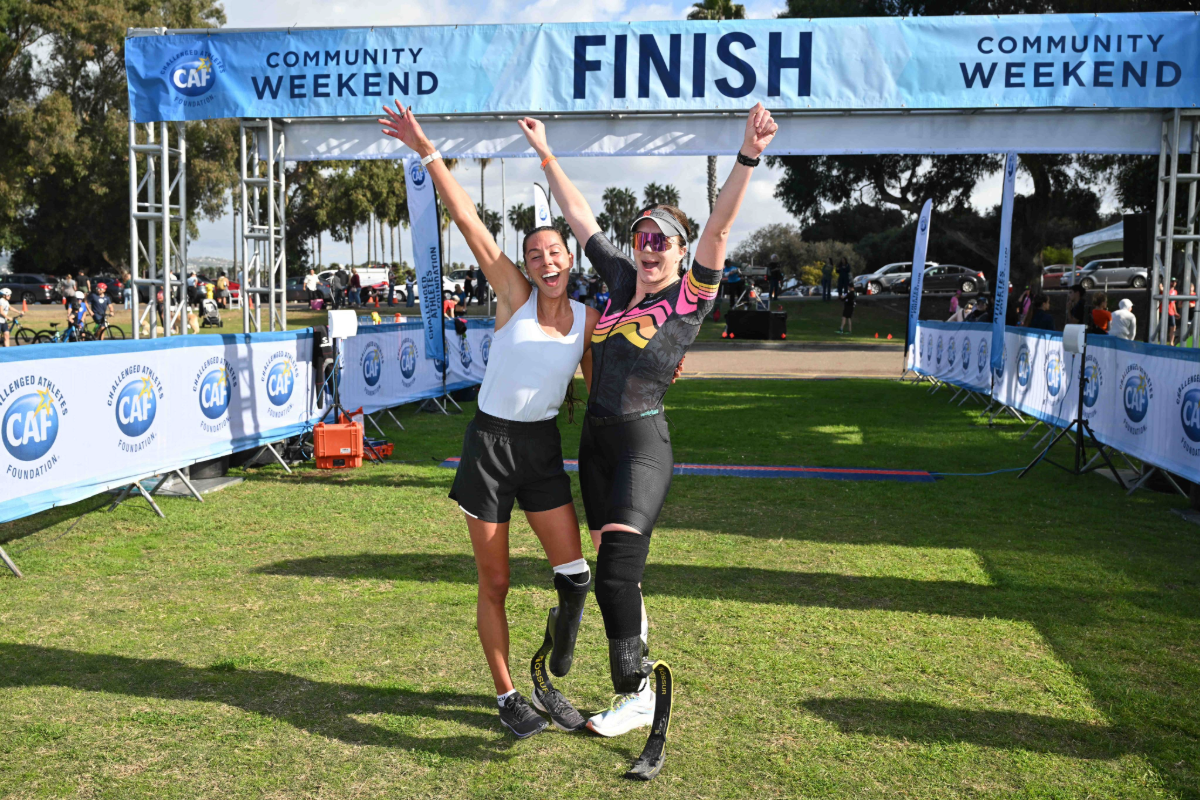
If you’ve ever used the terms Paralympics and Special Olympics interchangeably, you’re not alone. While both organizations create opportunities for athletes with disabilities, they serve different athlete communities and have distinct missions. Understanding the difference helps recognize and respect the athletes, families, coaches, and communities that make each movement possible.
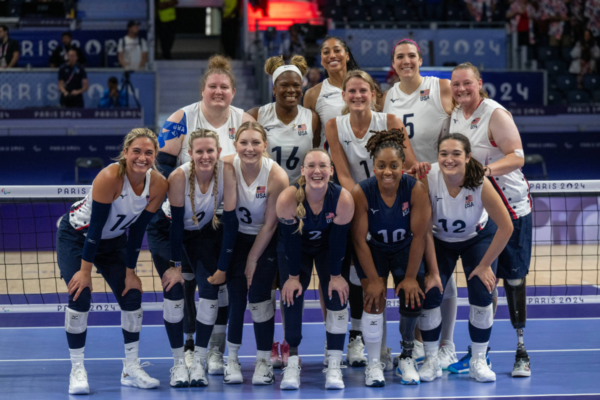
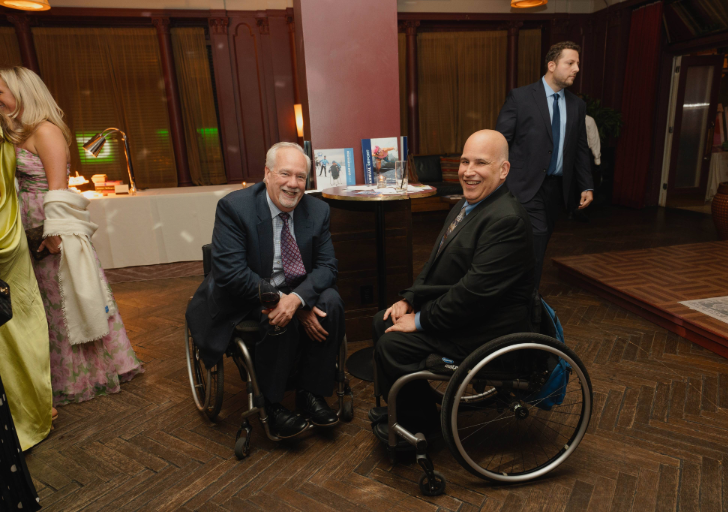
(Team USA Women’s Sitting Volleyball Team, Paris 2024)
The Paralympic Games are the highest level of international competition for athletes with eligible physical, visual, and certain intellectual impairments. Held following the Olympic Games, the Paralympics bring together some of the most talented athletes in the world.
Athletes qualify through sanctioned competitions, international rankings, and national team selection. Competition is guided by a classification system designed to ensure outcomes are determined by training, skill, and performance rather than the impact of an athlete’s impairment.
Behind every race, match, and medal are years of training, sacrifice, and determination.
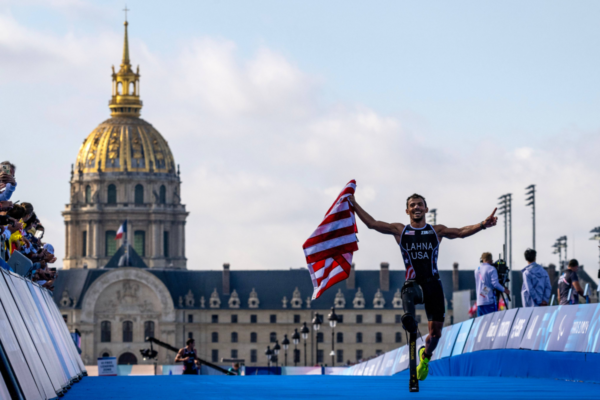
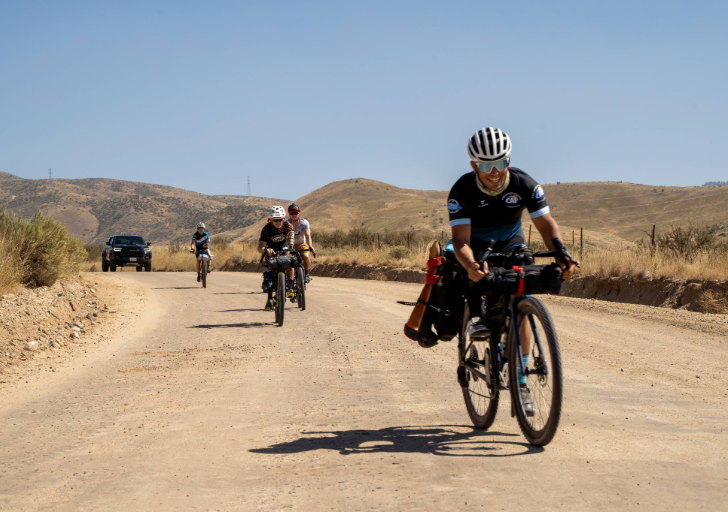
(Team USA Paralympic Athlete Mohammed Lahna, Paris 2024)
Special Olympics is a global organization that provides year-round sports training and competition for individuals with intellectual disabilities. Rather than qualifying through elite competition, athletes participate in divisions based on age and ability, creating meaningful opportunities for participation, skill development, and personal achievement.
Special Olympics emphasizes personal growth, social connection, and empowering athletes to reach their full potential through sport.
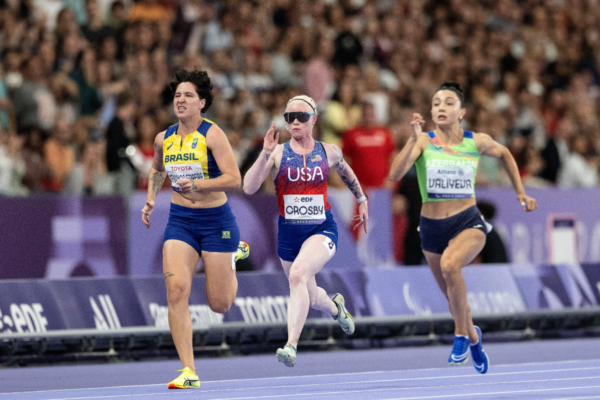
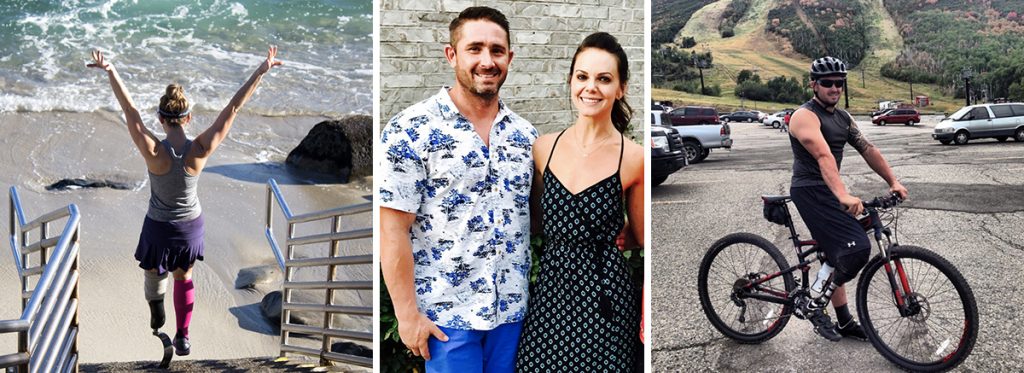
(Team USA Paralympic Athlete Kym Crosby, Paris 2024)
Although both organizations support athletes with disabilities and are recognized by the International Olympic Committee (IOC), they serve different athlete populations, separate qualifications, different levels of competition, and have two very different and distinct missions.
Paralympic athletes have eligible physical, visual, or certain intellectual impairments and must meet specific qualification standards established by their sport’s governing bodies.
Special Olympics athletes are individuals with intellectual disabilities who can participate regardless of athletic ability or competitive ranking.
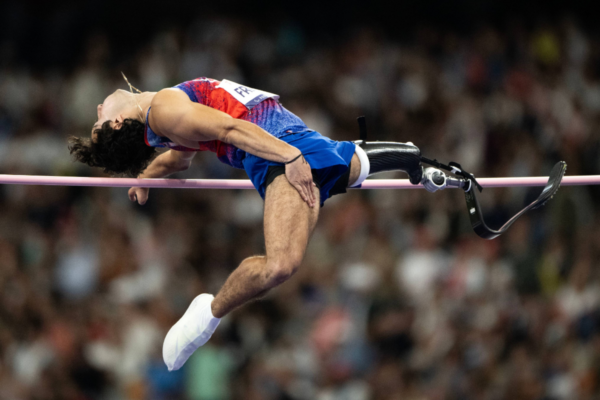
(Team USA Paralympic Athlete Ezra Frech, Paris 2024)
The Paralympics represent the highest level of competition in disability sport. Athletes must earn their place through rankings, qualifying events, and national team selection processes. Special Olympics is designed to maximize participation and inclusion. Athletes are grouped according to age and ability, creating opportunities for fair and meaningful competition.
The Paralympic movement focuses on elite athletic achievement and competitive excellence. Special Olympics focuses on inclusion, empowerment, health, leadership, and creating opportunities for individuals with intellectual disabilities to participate in sport.
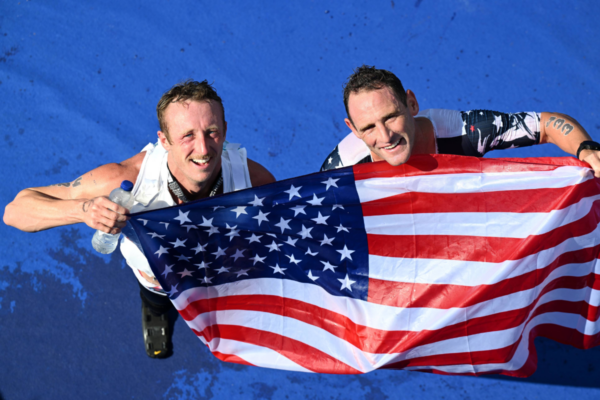
(Team USA Paralympic Athletes Carson Clough and Eric McElvenny, Paris 2024)
Why People Often Confuse the Two
It’s easy to see why people confuse the Paralympics and Special Olympics. Both are global sports movements that use sport to create opportunities for athletes with disabilities, and both have “Olympics” in their name.
While they share a commitment to expanding access to sport, they were founded for different purposes, serve different athlete populations, and operate under different competition models. Understanding those distinctions helps ensure each organization, and the athletes they support, is recognized for its unique mission and impact.
The International Paralympic Committee oversees the Paralympic movement and the Paralympic Games, while the International Olympic Committee oversees the Olympic movement and the Olympic Games. These two organizations are separate sports organizations with their own governance, competition rules, eligibility criteria, and qualifying standards. Although the two organizations cooperate, each remains responsible for its own movement.
The International Paralympic Committee works with the International Olympic Committee on the framework used to host the Games. The Summer Paralympics and Winter Paralympics take place shortly after the corresponding summer and winter Olympics in the same host city, using many of the same venues, facilities, and infrastructure. Even when the Games share a city and the same venues, the respective organizations remain responsible for their own athletes, competitions, and operations.
This Special Olympics model uses ability-based divisions to encourage fair competition, development, acceptance, and meaningful opportunities for athletes with different experience levels. Special Olympics training remains available between major competitions.
Why Using the Correct Terminology Matters
Referring to the Paralympics as Special Olympics, or vice versa, can unintentionally diminish the unique mission and accomplishments of each.
Paralympians train and compete at the highest levels of international sport, often dedicating years to qualifying for competition. Special Olympics athletes represent a movement that has transformed opportunities for individuals with intellectual disabilities through participation, leadership, and inclusion.
Each deserves to be recognized for its distinct contribution to the disability sport community. Using accurate terminology demonstrates respect for athletes, coaches, families, volunteers, and advocates who help make these opportunities possible.
Where the Challenged Athletes Foundation Fits In
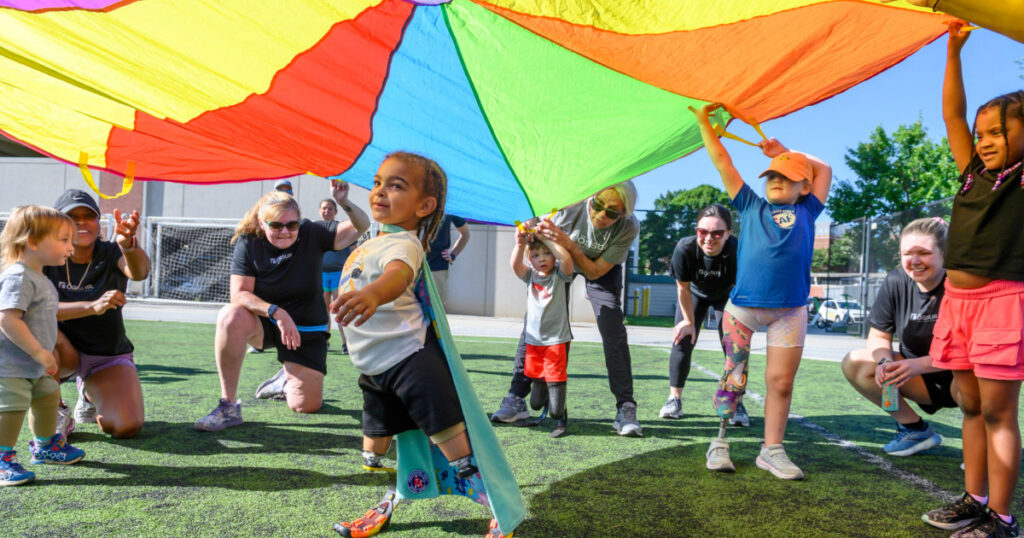
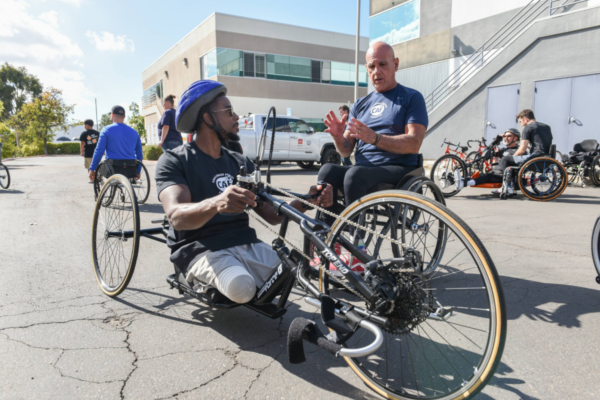
The Challenged Athletes Foundation (CAF) helps remove barriers to sport for athletes with physical disabilities through adaptive sports equipment grants, mentorship, training opportunities, and community programs.
While CAF is not affiliated with either the Paralympic Games or Special Olympics, many CAF-supported athletes compete in adaptive sports at every level, from recreational events and local competitions to national championships and the Paralympic Games. Others simply want to stay active, try a new sport, or enjoy the physical, mental, and social benefits of sport.
Regardless of an athlete’s goal, CAF believes everyone deserves access to the physical, emotional, and social benefits of sport.
Celebrating Every Athlete
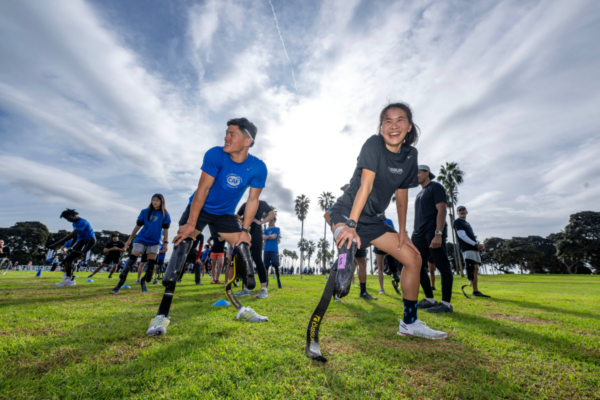
The Paralympics and Special Olympics each play an important role in expanding opportunities through sport. One celebrates elite international competition, while the other creates lifelong opportunities for participation, leadership, and inclusion.
Understanding the difference helps us recognize each organization’s unique mission and celebrate the athletes who make both movements extraordinary. The more we understand disability sport, the better equipped we are to support greater access, respect, and opportunity for all.
Yes, although it is uncommon. An athlete must have an intellectual disability to participate in Special Olympics and must separately meet the classification criteria and qualifying standards for a Paralympic sport.
Eddy Capdor of Mauritius is one amazing example of an elite athlete awho has taken on both competitions. After beginning his athletic career with Special Olympics Mauritius, he competed in the men’s T20 long jump at the Tokyo 2020 and went of to compete in the 2024 Paralympic Games in Paris.
Paralympic sports include athletics, swimming, wheelchair rugby, cycling, sitting volleyball, and many other summer and winter competitions. Eligibility and disability categories differ by sport because each impairment affects athletic movements differently.
For example, runners, throwers, and swimmers may compete in classifications for physical, vision, or intellectual impairments. Swimmers and other athletes must meet the criteria established for their sport before becoming eligible for international competitions. Additional categories may apply, and all criteria are sport-specific.
The Olympics and Paralympics are held in the same host location, and many competitions use the same venues. The Paralympic Games follow the corresponding Olympic Games, but they remain separate sporting events governed by their respective organizations.
Special Olympics competitions are organized separately from both the Olympics and Paralympics. They can take place in locations throughout the country and world rather than automatically following the Olympic hosting schedule.
No, athletes who are solely deaf are not included in the Paralympics nor Special Olympics. Instead, they have their own independent, global competition called the Deaflympics. The organization even recently celebrated their 100th anniversary Games in 2025 in Tokyo, Japan!\