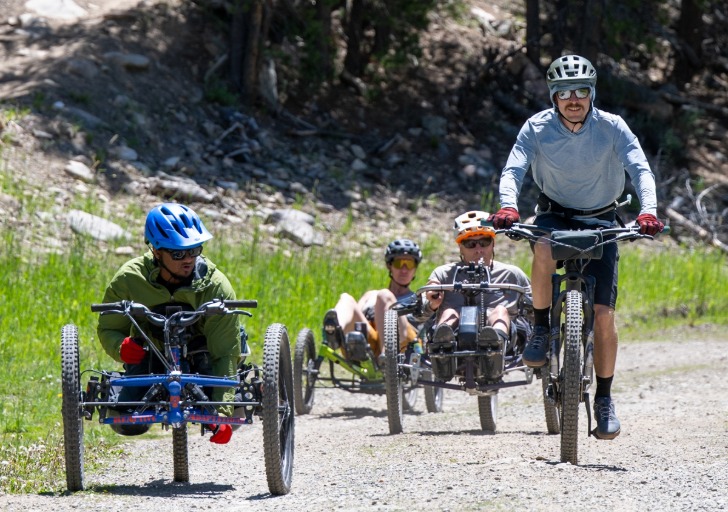
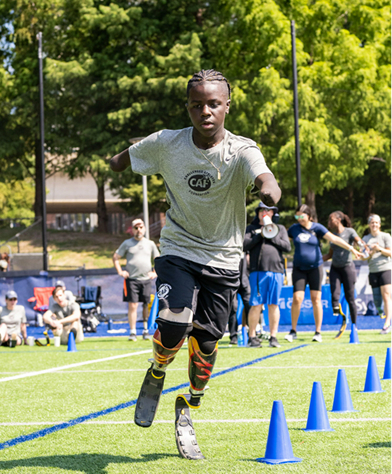
Classification is one of the most important — and often least understood — parts of para sports. It’s the system that ensures fair and equitable competition between athletes with different types of physical disabilities, so that performance on the field, court, track, or course is determined by skill, training, and strategy—not by the degree of impairment.
Whether you’re new to adaptive sports or aiming for elite competition, understanding classification is key to navigating the para sports pathway.
Athletes with physical disabilities represent a wide spectrum of abilities. Two people may both use wheelchairs, for example, but their functional movement, balance, and strength can differ dramatically. Classification helps level the playing field by grouping athletes into sport-specific classes based on how their impairment impacts performance.
The goal is simple:
Globally, classification systems are governed by the International Paralympic Committee (IPC) and managed by international sport federations for each discipline (e.g., World Para Athletics, World Para Swimming). In the United States, national governing bodies (NGBs) like U.S. Paralympics and organizations such as USA Triathlon or the National Wheelchair Basketball Association (NWBA) oversee classification for domestic competition.
CAF works closely with many of these bodies to help athletes understand classification, prepare for assessments, and connect with the right programs and competitions.
There are two main types of classification used across para sports:
Many sports combine both: starting with a medical review, followed by a functional assessment and observation during competition.
While details vary by sport, the general process includes:
If you’re just getting started, classification might sound intimidating—but it doesn’t have to be. Here’s a clear pathway:
CAF regularly hosts introductory clinics to a variety of sports and partners with NGBs to help athletes navigate this process.
CAF has decades of experience helping athletes navigate classification and competition. Through grants, clinics, and mentorship, we help remove barriers so athletes can focus on performance and community.
Many CAF-supported athletes have gone on to compete at the Paralympic Games after starting their journey at a local clinic or San Diego Triathlon Challenge. Understanding classification is often the first step in that journey.
Classification is the backbone of para sports. It creates structure, fairness, and opportunity—allowing athletes with physical disabilities to compete, push limits, and redefine what’s possible.
Whether you’re training for your first clinic or eyeing the Paralympic podium, knowing your classification unlocks new levels of participation and growth.
CAF is here to help guide you through every step.

Sign up for stories of resilience, event invites, and ways to make a difference delivered with heart, straight to your inbox.
Thank you for subscribing! Check your inbox regularly for updates
from the CAF team.
Apply for grants for adaptive sports equipment, prosthetics, coaching, and more.
Find adaptive experiences and events for your sport near you.
Find adaptive experiences and events for your sport near you.
Learn about outreach, awareness, and education programs for schools.
Join programs in our key regions.
Adaptive Sports Organizations listed by state and country.
Browse our resources by sport to find the right equipment, trainings, and organizations for you.
Make a 100% tax deductible donation with one click.
Donate every month. Just $10 makes a
difference.
Find another way to give that works for you.
Get in front of an engaged and passionate audience and support our mission while advancing your goals.
Create an impact by sponsoring life-changing events.
Support your corporate giving initiatives with 100% tax deductible donations.
Create an event you’re passionate about in a few easy steps.
Contribute to or take part in an existing event.
Learn how to get your school involved in a great cause and access tools for success.
Explore digital or in-person volunteer opportunities at a CAF event near you.
Join inclusive adaptive sports events and experiences open to everyone.
Discover upcoming events in your area to fundraise, participate, or volunteer.
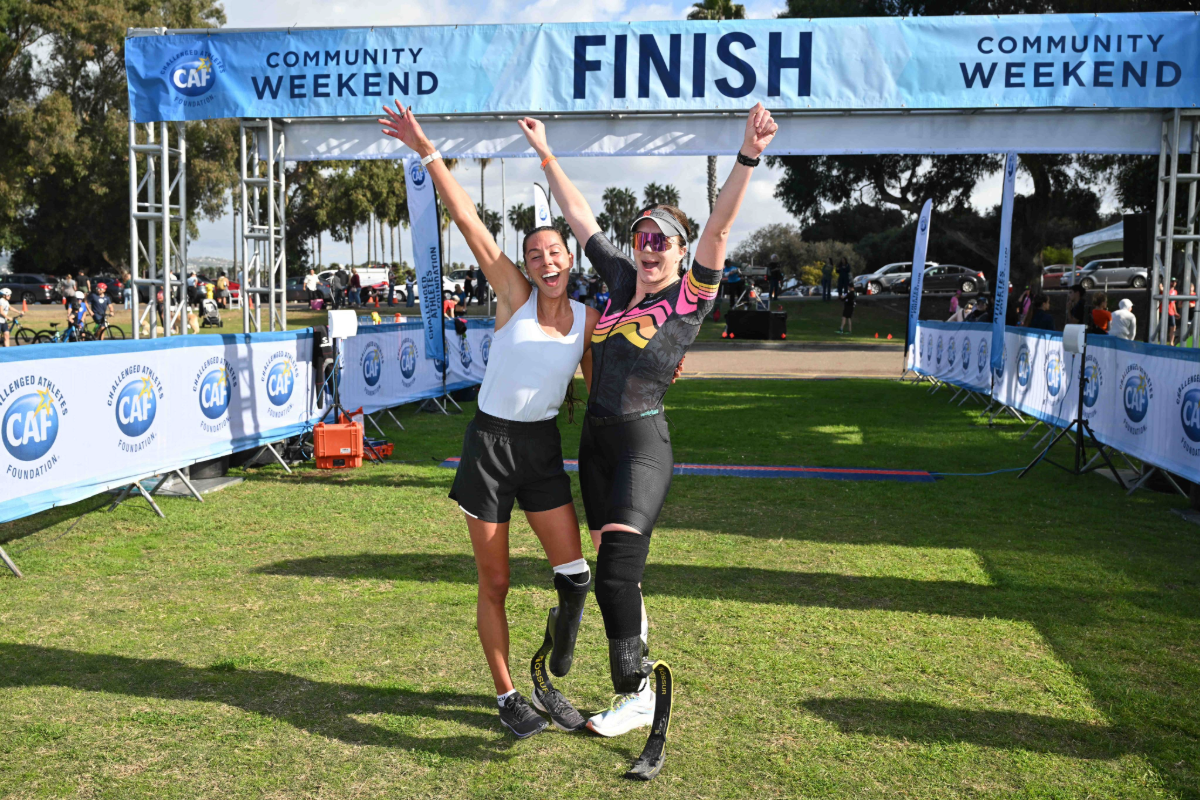
Find something that moves you. Athlete stories, event coverage, and more.
Explore our resource library to access information on your adaptive sport.
Explore our video library to get digital coaching, equipment guides, and more.
Access the tools you need to best support your fundraising efforts.