Three-time Adaptive Surfing World Champion, Team USA athlete, CAF ambassador, and advocate for inclusion, Liv Stone understands the life-changing power of sport firsthand.
For Liv, adaptive sports have never simply been about competition. They have been a gateway to confidence, independence, community, and opportunity. Growing up in Pennsylvania, she embraced every athletic opportunity she could find, spending nearly a decade on the soccer field before being introduced to surfing through the Challenged Athletes Foundation. What began as an opportunity to try something new ultimately launched a remarkable athletic career, taking her from her first adaptive surf clinic to representing Team USA on the world stage and earning three world championship titles.
Today, she continues to pursue new ways to stay active, including golf and pickleball, fueled by the same determination and curiosity that have defined her journey from the beginning. But her passion extends far beyond personal achievement. As a mentor, ambassador, and role model for young athletes with physical disabilities, she is committed to creating more pathways for the next generation to discover what is possible through sport. Her experience serves as a powerful reminder that when children are given access to inclusive athletic opportunities, the impact can last a lifetime.
When asked why competitive school-based sports matter for children with physical disabilities, Liv’s answer was simple: the earlier the exposure, the better.
Inclusive sports for youth give children, especially those with physical disabilities, early chances to build confidence, independence, friendships, and a real sense of belonging through adapted activities and shared participation. For parents, coaches, educators, schools, and community organizers trying to create or support programs where children with and without disabilities can play together, early access matters.
Sports can introduce confidence, independence, friendships, and a sense of belonging at a young age. According to Liv, giving children opportunities to participate early helps create pathways that can influence the rest of their lives, while helping peers learn teamwork, empathy, and inclusion in ways that can shape the future.
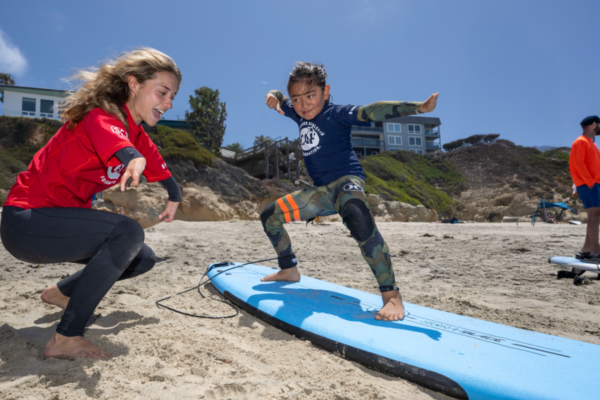
“If I had been introduced to surfing when I was 10 or 12, maybe it would have kickstarted my career even sooner,” Liv shared during her interview. She believes programs like CAF clinics are critical because they expose young student athletes to activities they might never otherwise encounter.
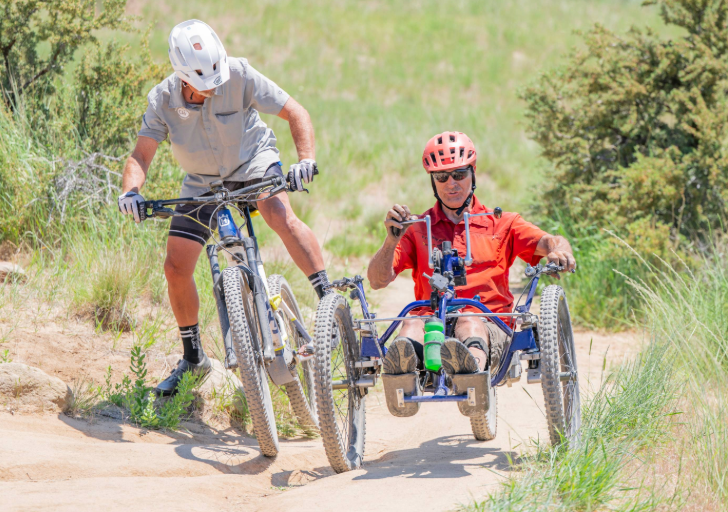
For many children with physical disabilities, the challenge is not a lack of interest. It’s a lack of opportunity. Adaptive sports programs, inclusive school athletics, and community-based recreation can remove barriers through organization and support open doors that children and families may not even know exist.
Read More: Why Your Gift to CAF Changes Lives: From First Steps to Finish Lines
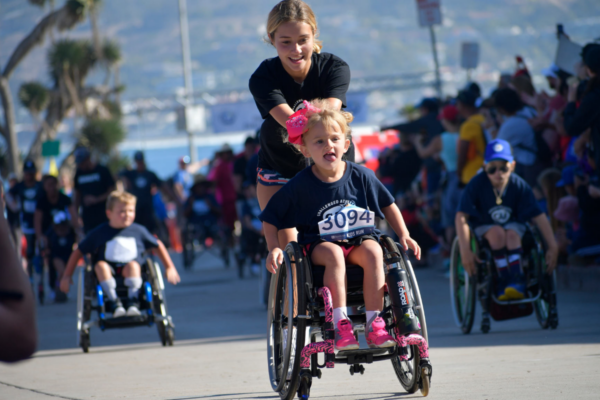
While adaptive sports programs play an important role, Liv believes inclusion should extend beyond specialized settings.
Children with and without disabilities benefit when they participate together. Whether it’s soccer, basketball, sit volleyball, or another activity, shared experiences help build understanding, teamwork, and friendships. Early exposure also helps boys and girls see how every team sport or fast-paced game can include clear rules and future opportunities.
“When you separate kids with disabilities from their peers, you lose some of the camaraderie that makes sports special,” Liv explained. She believes introducing activities like wheelchair basketball or sit volleyball into traditional school settings could help all students gain perspective while creating environments where athletes with disabilities feel truly included.
The impact extends far beyond sports.
When children regularly encounter disability in classrooms, on teams, throughout their communities, and other physical activity, it becomes a natural part of everyday life rather than something unfamiliar. That exposure helps build respect, empathy, friendship, and acceptance while challenging outdated assumptions about disability.
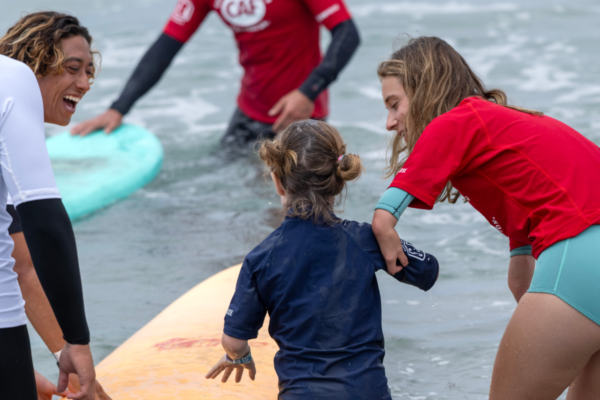
One of the strongest themes throughout Liv’s story is the importance of problem-solving.
Growing up, Liv often avoided racket sports because she felt she couldn’t properly grip a racket. It wasn’t until years later, when she began playing pickleball and discovered a simple strap adaptation, that everything changed.
Suddenly, a sports and physical fitness that once felt out of reach became accessible.
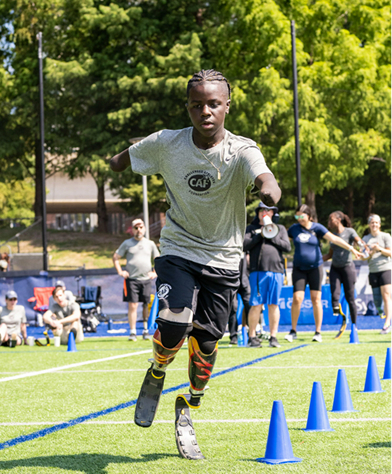
That experience reinforced an important lesson: instead of asking whether a student athlete can participate, coaches, teachers, and parents should ask what can be modified to make participation possible. Sometimes the solution is a strap, a prosthetic, specialized equipment, or a different technique. What matters is creating opportunities rather than barriers, with support from school districts and community programs that help athletes compete safely and confidently.
In physical education settings, these inclusive options can extend from exercise and recreation to wheelchair track, wheelchair basketball, adaptive tennis, and other events, and some programs serve K-12 students.
Liv wishes more coaches had introduced adaptive strategies earlier in her athletic journey.
“It opens the door to so many things. There’s always a way.”
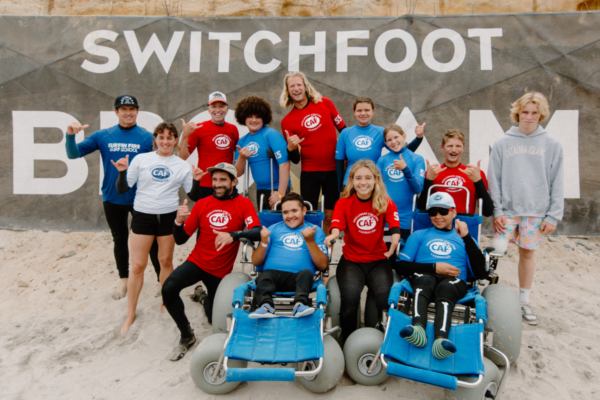
While access to adaptive equipment and inclusive programming is essential, Liv attributes much of her success to the unwavering support of her family, coaches, and community.
Liv’s parents encouraged her to explore, experiment, and pursue the activities that excited her. Rather than focusing on limitations, they focused on possibilities.
She remembers countless hours spent training with her mother and brainstorming solutions with her father. One conversation about difficulty paddling into waves eventually sparked ideas that contributed to the aquatic prosthetics she uses in competition today.
For parents of children with disabilities, Liv’s advice is straightforward: don’t assume your child can’t do something.
“Let them be kids. Let them figure it out.”
That encouragement can have a lasting impact on confidence, motivation, and a child’s willingness to try something new.
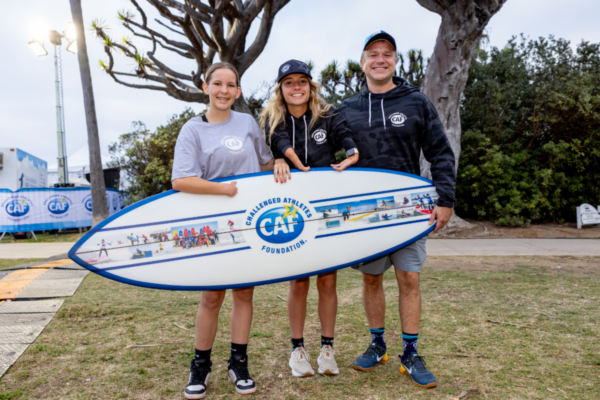
As an athlete, mentor, and CAF ambassador, Liv has seen firsthand how representation can influence the next generation. The relationships young athletes build with mentors, and role models can help them envision a future they may have never considered possible.
“When kids see tangible accomplishments from athletes who look like them, it changes everything,” Liv explained. Instead of wondering whether they belong in sport, they begin to imagine what they can achieve.
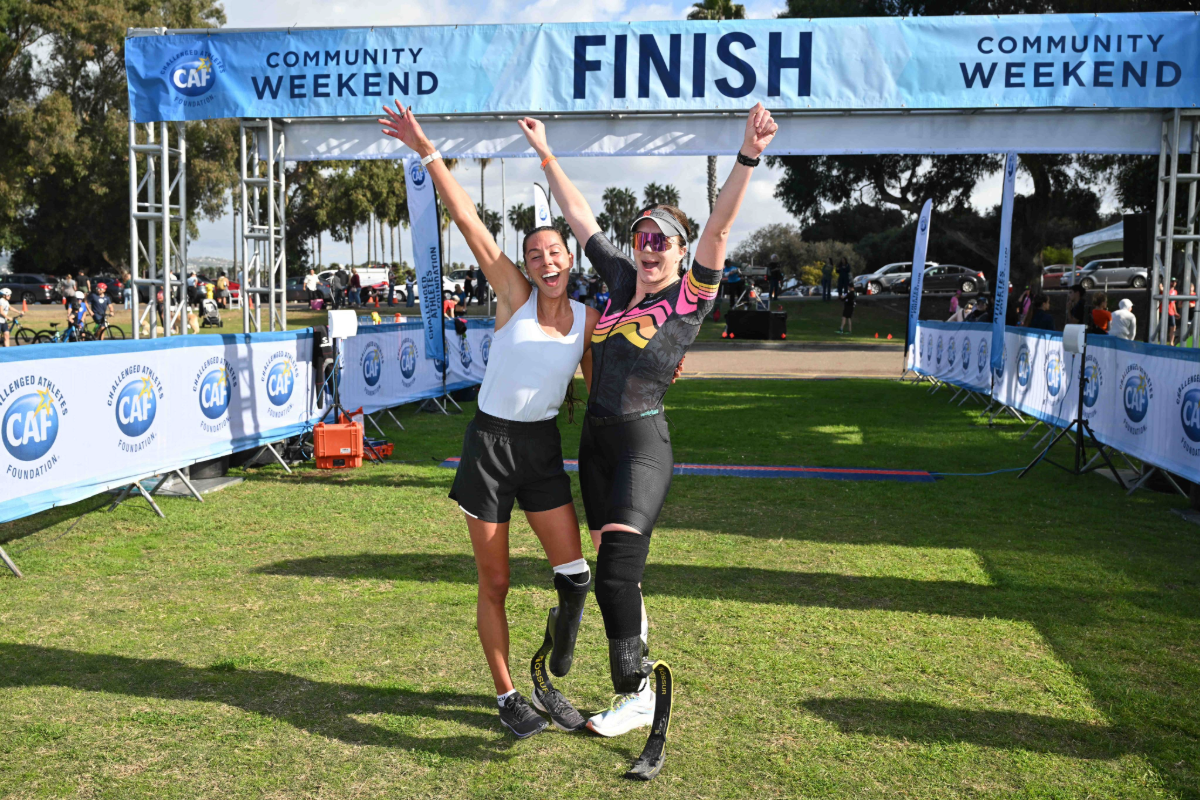
Whether it’s a world championship title, a podium finish, or simply seeing another student athlete with a disability competing alongside their peers, representation has the power to reshape expectations, build confidence, and expand possibilities.
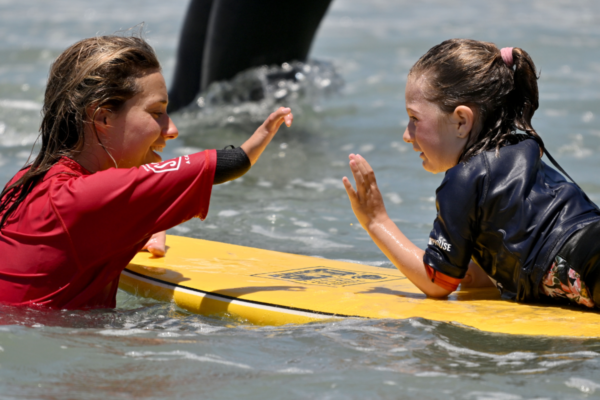
Not every athlete will pursue a Paralympic dream. Some may find fulfillment through competition, while others simply enjoy recreation, friendship, or the joy of movement. All of those experiences are valuable.
For Liv, accessible sports programs represent far more than participation. They create opportunities for young people to build confidence, develop independence, and reimagine what they are capable of achieving.
When school districts, coaches, parents, and organizations like CAF create inclusive opportunities, young student athletes gain more than access to a sport and physical fitness. They gain confidence, community, independence, and the opportunity to discover talents and passions that can shape the course of their lives.
Sometimes, all it takes is a single opportunity to change everything.